Review Of Las Vegas Bloodbath Book
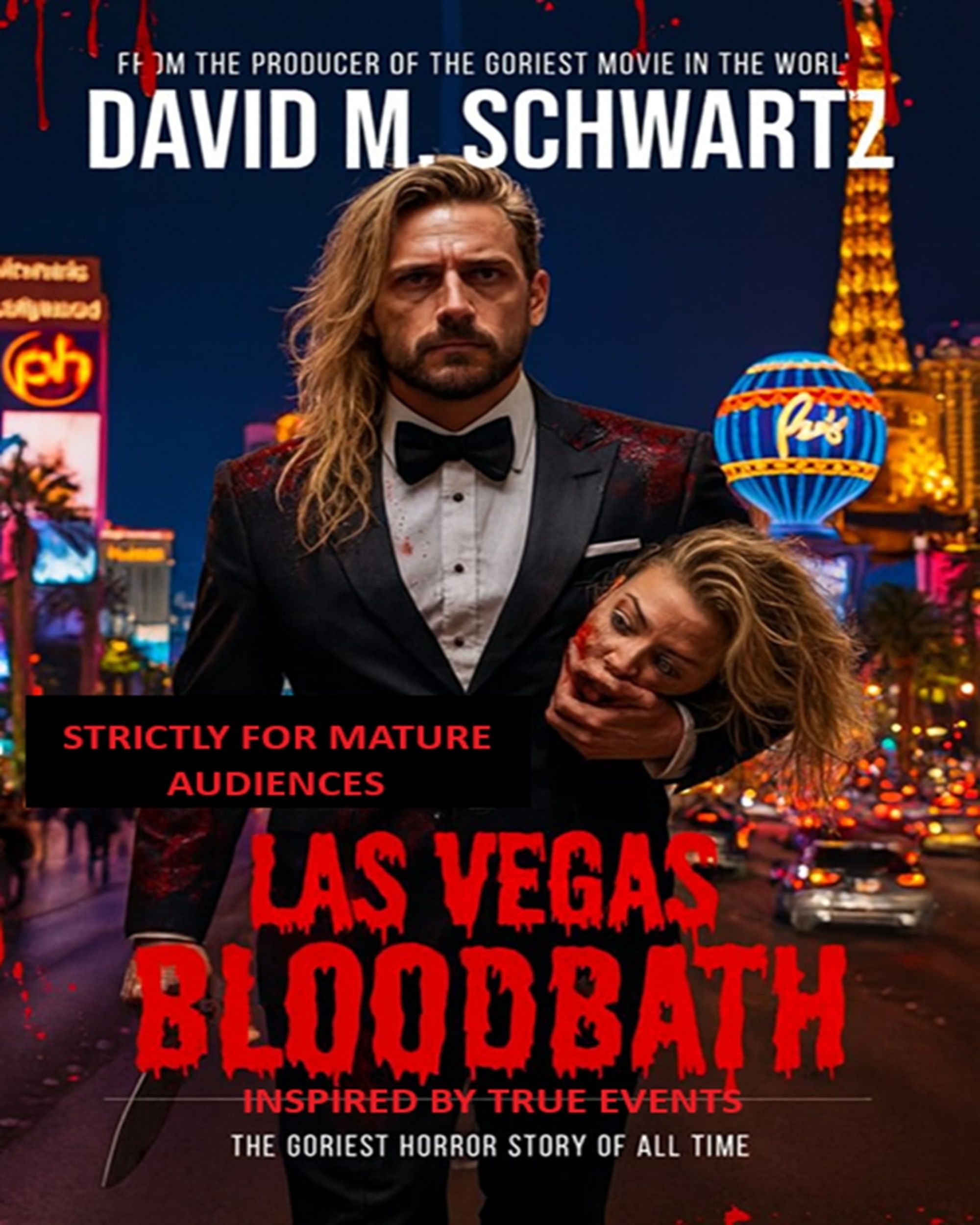
Expert Review of Las Vegas Bloodbath by David SchwartzReviewed by Dr. Evelyn Carver, Professor of Horror Studies and Exploitation Cinema, University of Southern CaliforniaDavid Schwartz’s Las Vegas Bloodbath, a novel born from his infamous 1989 shot-on-video horror film of the same name, is a visceral testament to the enduring power of exploitation aesthetics in modern literature. As a scholar of horror cinema and its literary intersections, I approach this work not as a casual reader but as an expert attuned to its historical context, narrative mechanics, and cultural resonance. Schwartz, a filmmaker-turned-author with a pedigree in low-budget gore, delivers a text that is equal parts artifact and provocation—a splatterpunk odyssey that demands analysis as much as it dares to repel. For an author of his caliber, this book is not merely a story but a potential cornerstone for a marketing juggernaut, provided he harnesses its raw energy effectively.
The Text: A Scholarly DissectionLas Vegas Bloodbath chronicles the descent of Sam Butler, a businessman whose discovery of his wife Ruthie’s infidelity triggers a murderous rampage across Las Vegas. Armed with a gun and Ruthie’s severed head, Sam’s spree—spanning prostitutes, oil wrestlers, a Jehovah’s Witness, and law enforcement—unfolds over nine chapters of escalating brutality. The narrative structure mirrors the chaotic linearity of 1980s direct-to-video horror, with each chapter (e.g., “Hell in a Cell,” “Inferno’s End”) serving as a vignette of violence and psychological fracture. Schwartz’s prose is deliberately unrefined—replete with expletives and visceral imagery—echoing the gritty realism of his cinematic roots. The dedication to “Ruthie and the badass women of B.L.O.W.” nods to a subversive femininity, though the text’s treatment of women is undeniably exploitative, a hallmark of the genre it emulates.
From an academic perspective, the novel excels as a study in excess. Its gore—detailed in scenes like Tina’s throat-slashing or Julia’s evisceration—functions as both spectacle and commentary, reflecting the nihilism of late-20th-century horror. Sam’s intermittent memories of Ruthie, particularly in “Hell in a Cell,” offer a fleeting psychoanalytic depth, suggesting a man undone by betrayal rather than inherent evil. Yet, Schwartz eschews subtlety for shock, a choice that aligns with the film’s cult status but risks alienating readers outside the splatterpunk niche. The foreword’s invocation of “low-budget, shot-on-video horror” situates it within a lineage of transgressive works—think The Texas Chain Saw Massacre or The Driller Killer—making it a valuable text for genre scholars.
The Author: Schwartz as a Cult AuteurDavid Schwartz’s transition from director to novelist is less a reinvention than an extension of his auteurial voice. His 1989 film, celebrated in horror circles for its unpolished ferocity, established him as a provocateur unafraid to court controversy. This novel retains that DNA: its roughness is not a flaw but a feature, rooted in the DIY ethos of the VHS era. As an expert in exploitation cinema, I recognize Schwartz’s strength in his authenticity—he writes what he knows, and he knows blood, chaos, and the fringes of taste. His lack of formal literary polish is offset by a visceral instinct that resonates with fans of extreme fiction. Schwartz’s brand is rebellion, and Las Vegas Bloodbath is his manifesto—a call to “raise hell” that doubles as a marketing blueprint.
Marketing Strategy: A Genre Expert’s PrescriptionFor Schwartz to capitalize on this masterpiece, he must leverage his cult status and the novel’s outrageousness with precision. As a subject matter expert, I propose the following:
Core Audience ActivationTarget: Devotees of splatterpunk, VHS horror, and extreme literature (e.g., readers of Books of Blood or The Slob).Strategy: Engage horror convention circuits (e.g., HorrorHound Weekend) with signings and screenings of the 1989 film. Offer limited